There is a particular moment in the planning of almost every large group holiday when somebody produces a spreadsheet.
There may be columns.
There may be colour coding.
There may even be an itinerary.
And while a little organisation is extremely useful when you're getting 15, 20 or 30 people into the same place at the same time, there's something worth remembering:
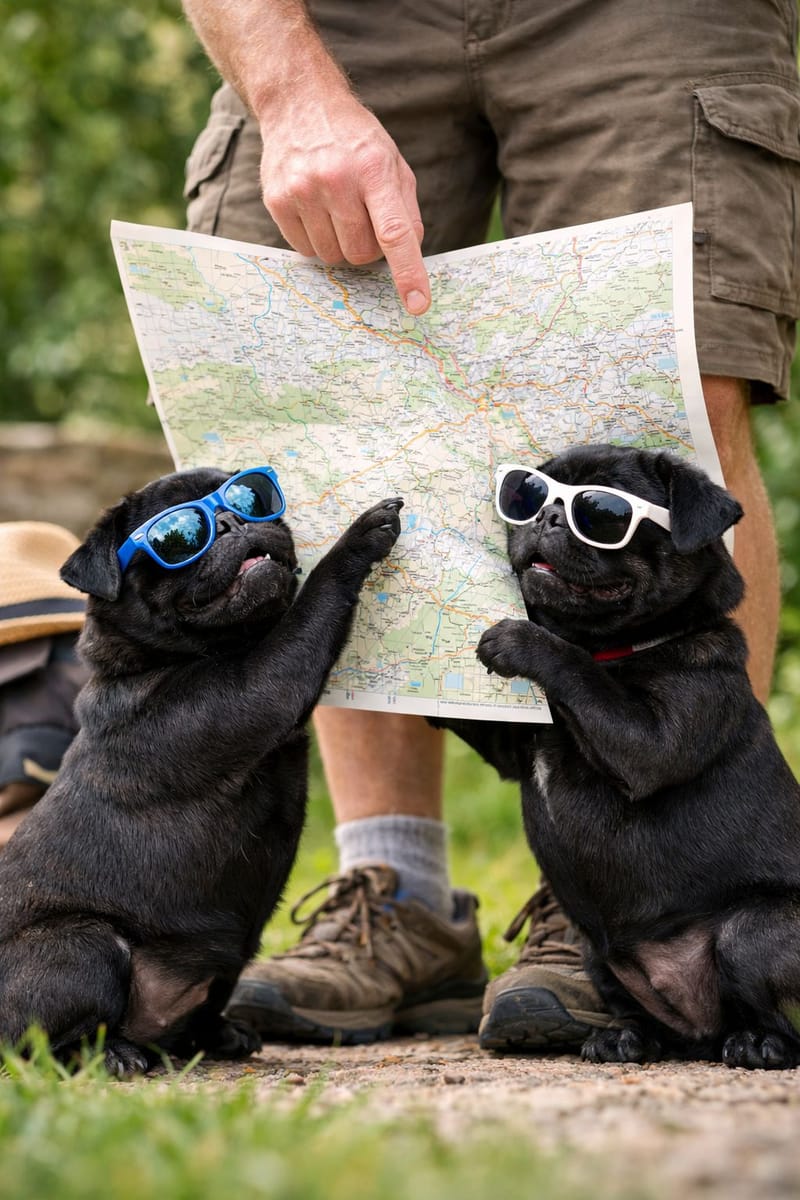
You're planning a holiday, not a military operation.
Some of the best group getaways are the ones with just enough organisation to make everything easy — and plenty of empty space for the weekend to take on a life of its own.
Start with the one thing everybody really needs
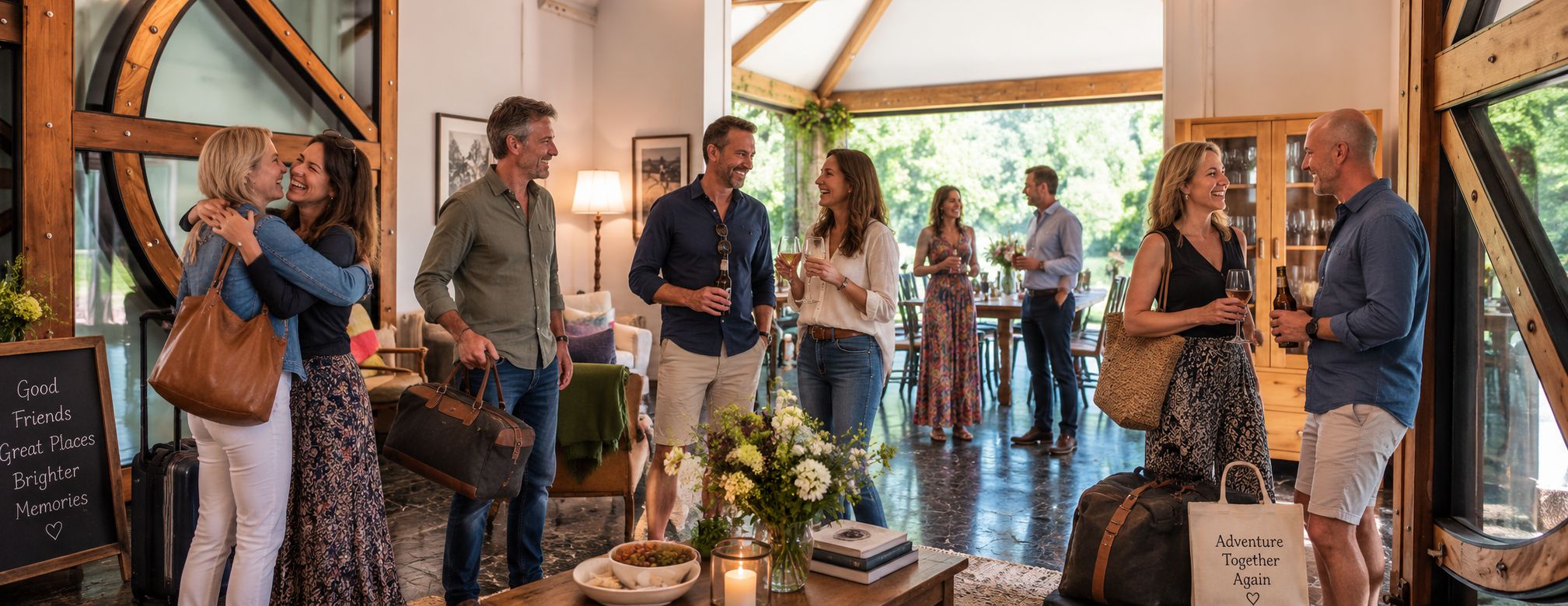
Before activities, restaurants and excursions, there is one important decision: where are you all going to be together?
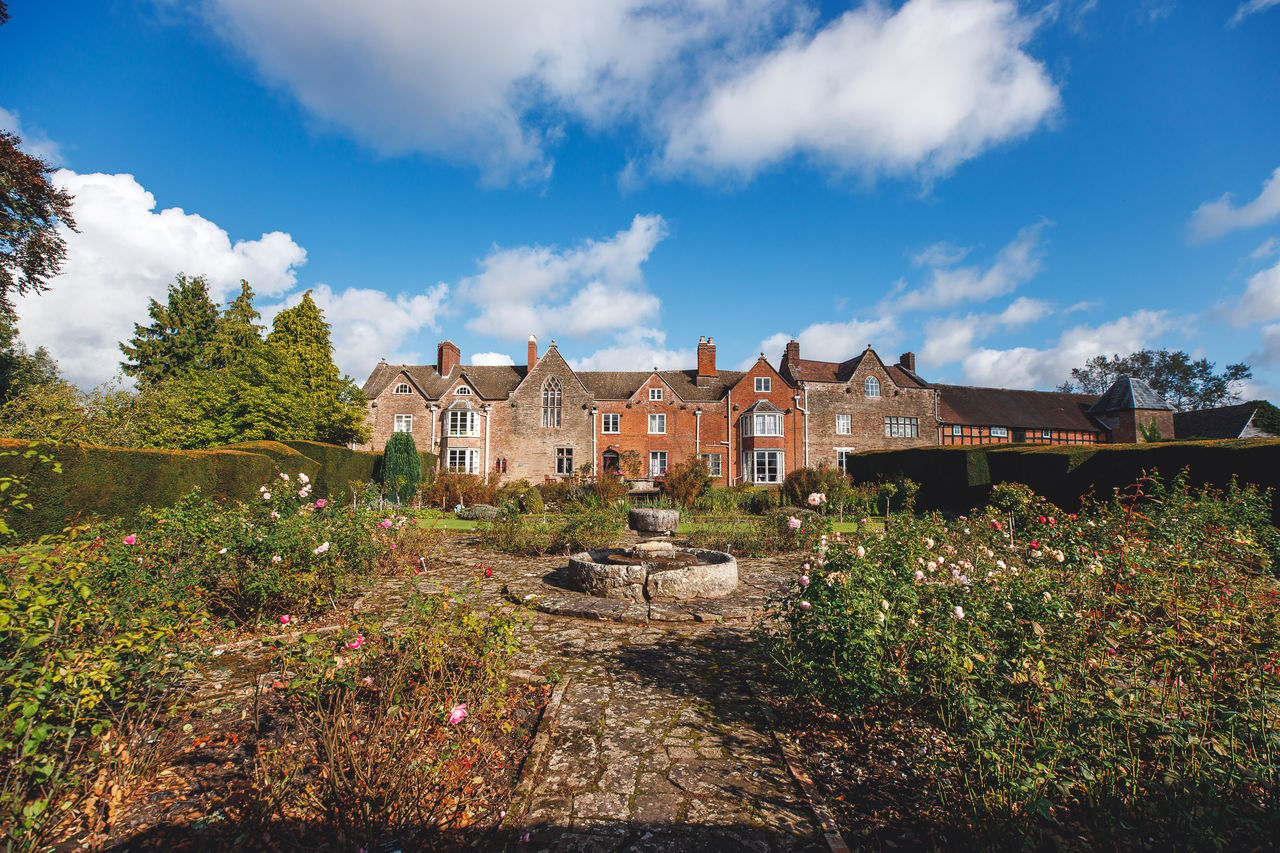
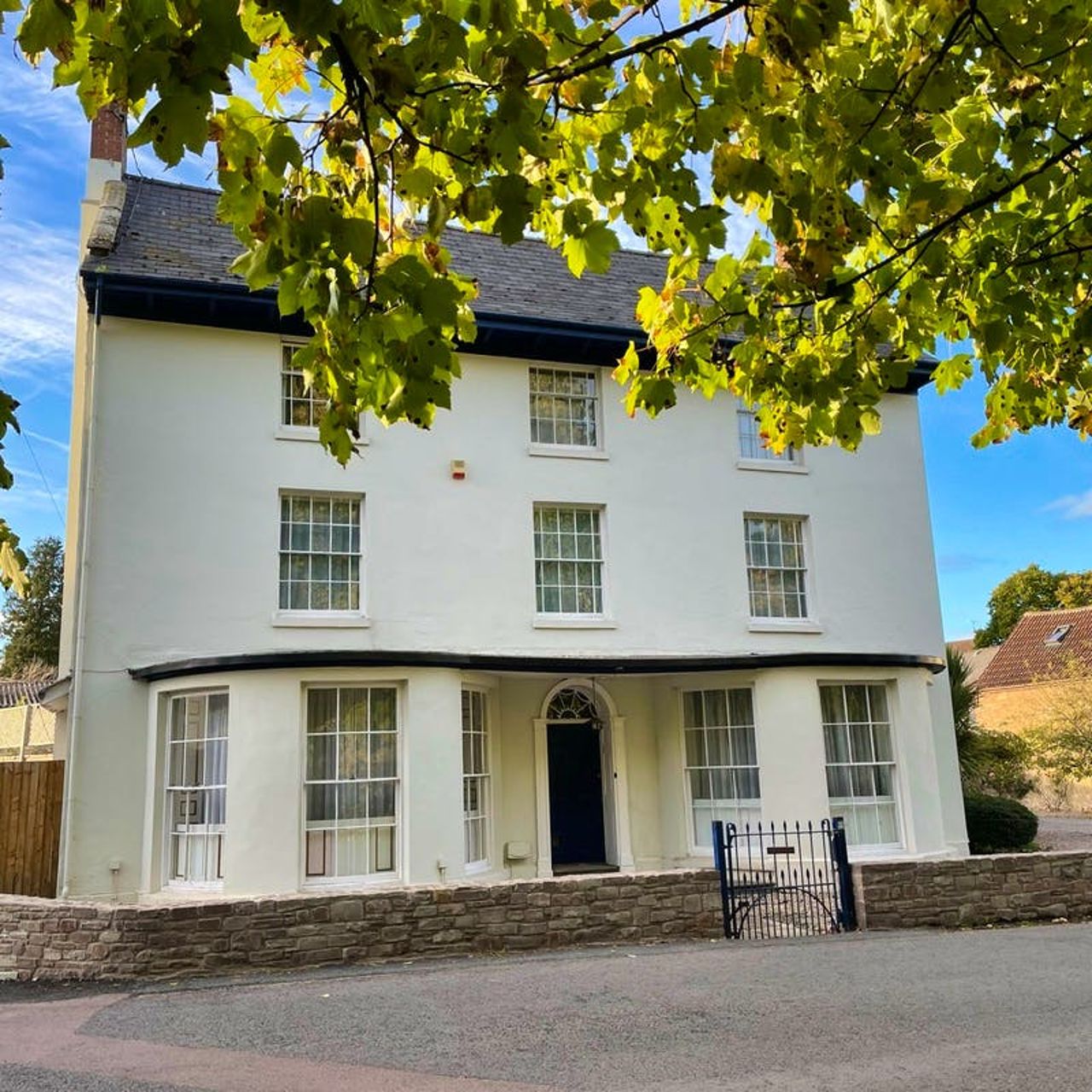
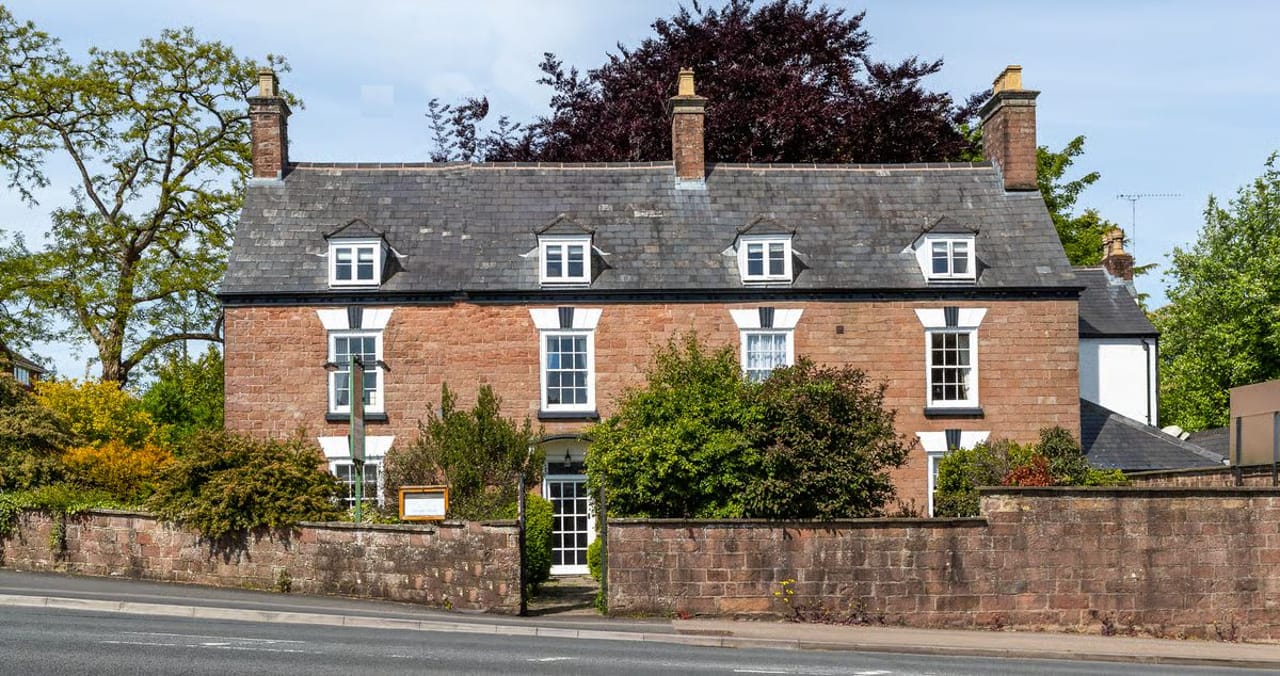
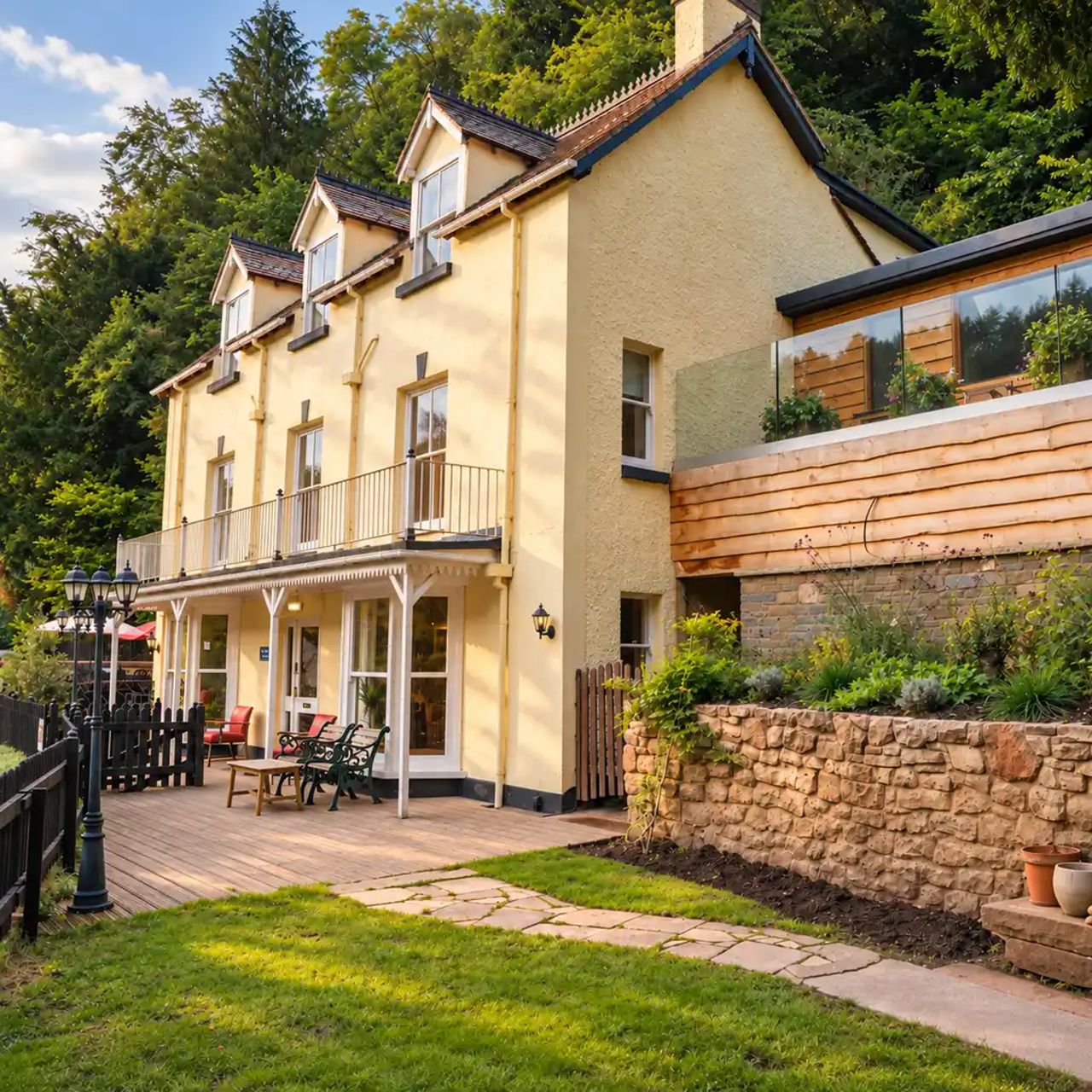
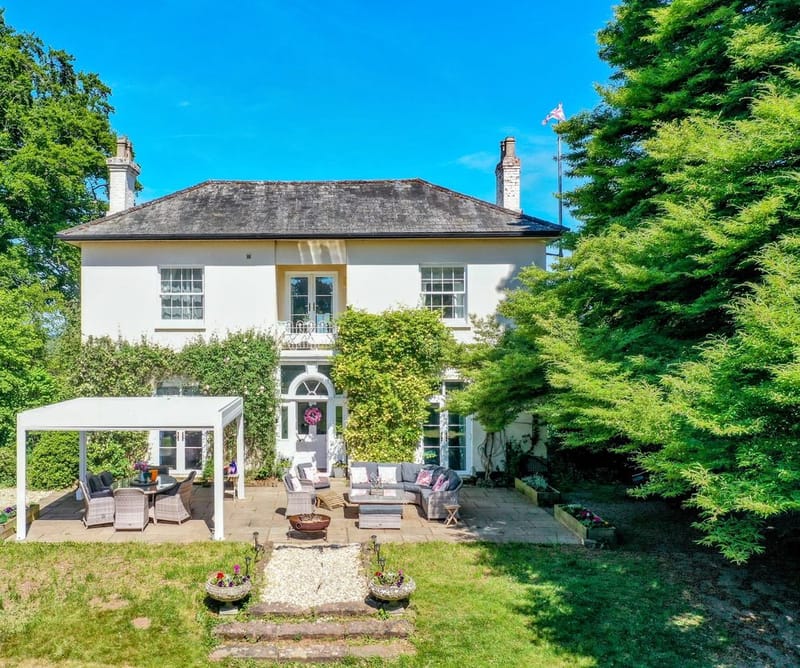
A big house changes the entire dynamic of a group holiday.
Instead of separating into hotel rooms and arranging where to meet, you're already together.
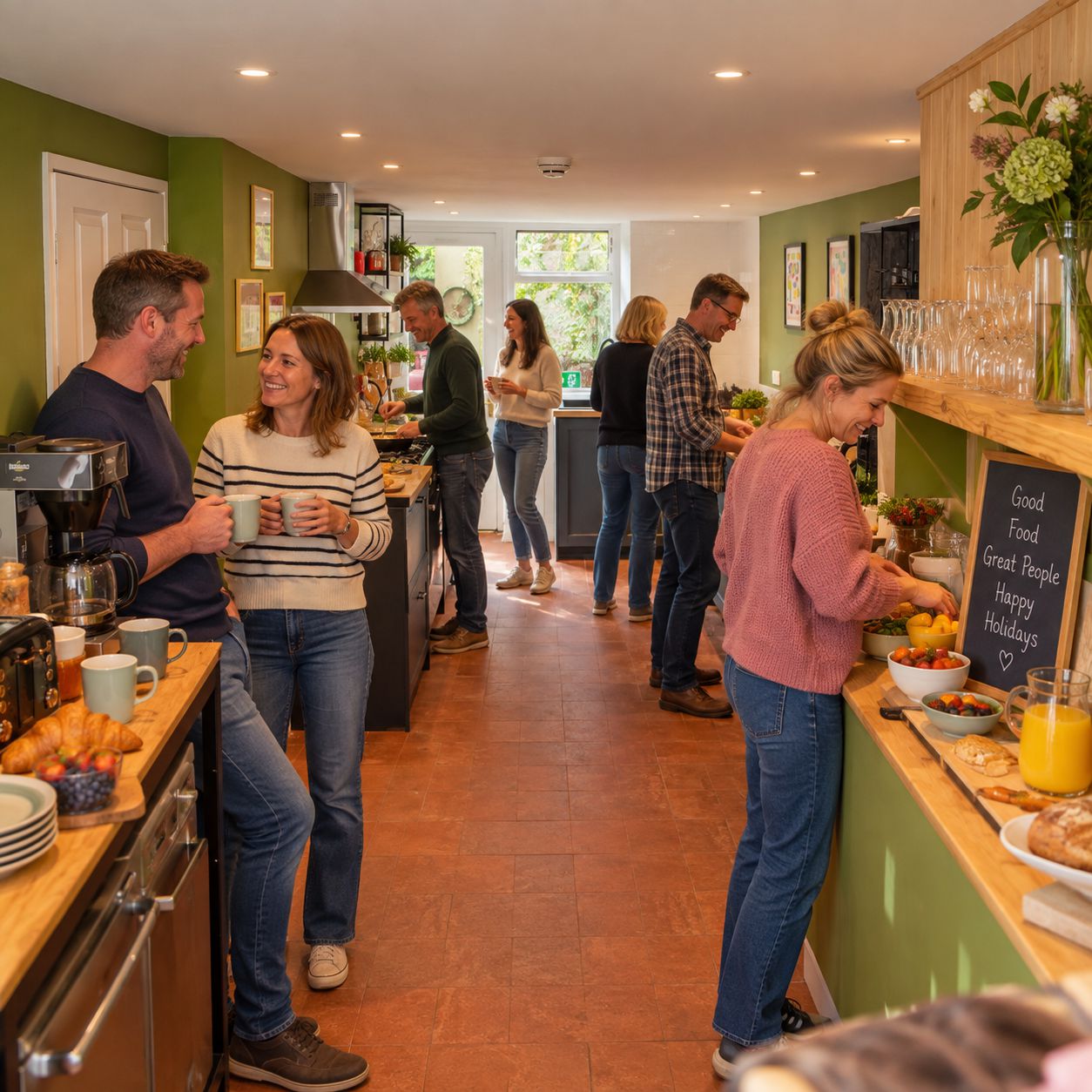
Morning coffee happens naturally. Someone wanders into the kitchen while dinner is being prepared. People settle into sofas with a drink. Children find cousins. Friends disappear off for a walk and return two hours later.
Nobody has to organise those moments.
The house creates them.
Across the Wye Valley, Forest of Dean, Herefordshire and Monmouthshire, large holiday houses also put groups within reach of an enormous choice of countryside, historic towns, activities, food and drink experiences and days out.
The difficult part may actually be deciding what not to do.
Plan one good thing
Here's a useful rule for a group weekend:
You don't need three activities a day.
Choose one really good shared experience and let the rest of the day breathe.
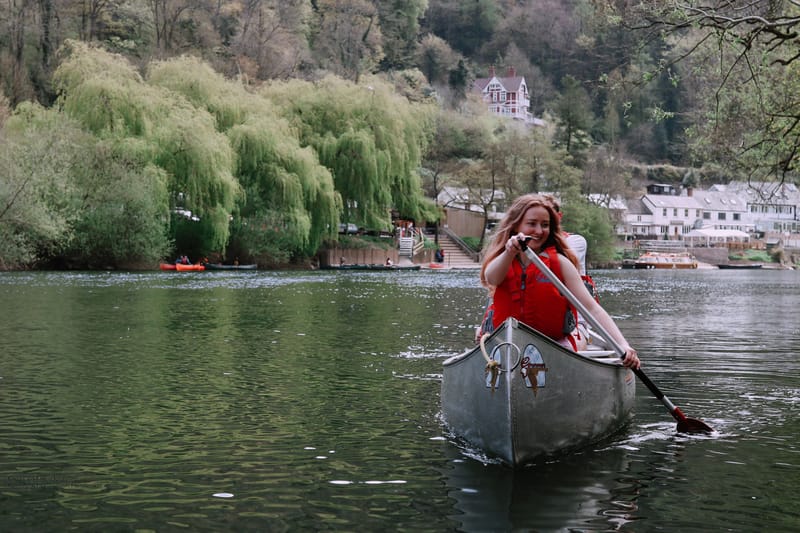
It might be canoeing on the River Wye, exploring a castle, visiting a local producer, walking through the forest or having lunch somewhere lovely.
That gives the day a focus without turning everyone into passengers on an organised tour.
It also leaves room for the unexpected pub somebody spots on the way home, the walk that lasts longer than intended or the decision that actually, nobody wants to go anywhere else today.
Remember that groups aren't one person
This sounds obvious until 22 people are standing in a kitchen trying to agree on what to do.
Your keen walker may regard a six-mile hike as a gentle morning stroll.
Someone else may regard walking to the coffee machine as quite enough exercise for a holiday.
One person wants history. Another wants shopping. Somebody wants to kayak. Somebody absolutely does not want to kayak.
And that's fine.
The beauty of staying together isn't that you have to do everything together.
Split up.
One group can explore the Forest of Dean while another heads into a market town for coffee and shops. The energetic contingent can get onto the river while everybody else finds somewhere comfortable nearby.
Then meet back at the house later.
You'll actually have something to talk about.
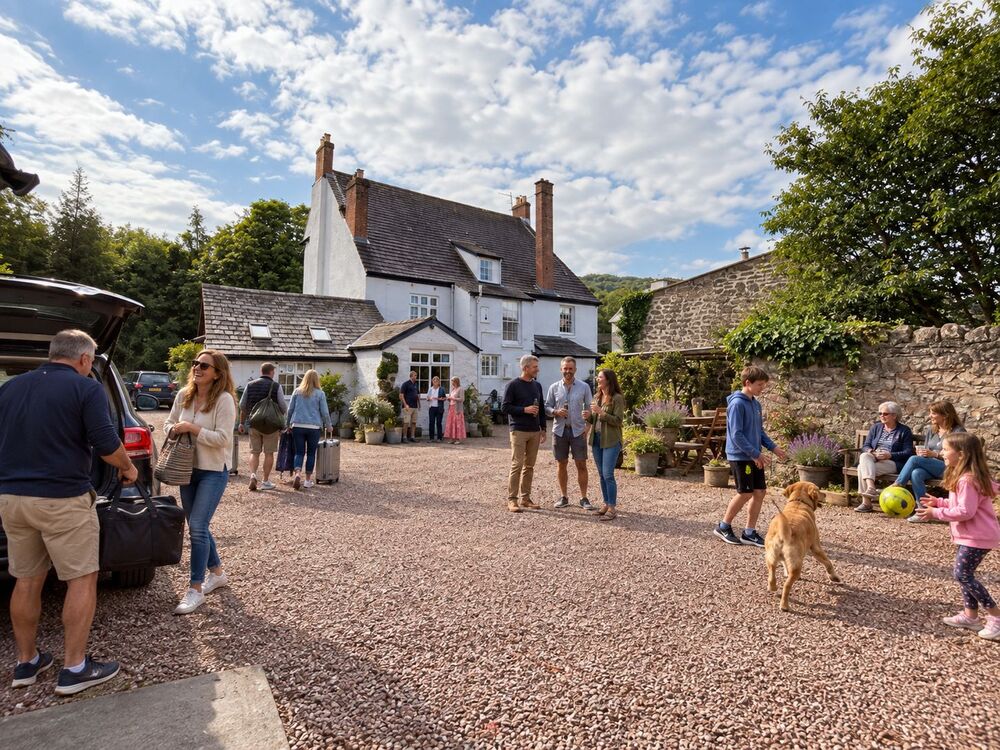
Leave an afternoon blank
This may be the hardest thing for the group's enthusiastic organiser to do.
Put absolutely nothing in the diary.
No booking.
No departure time.
No requirement to be dressed by 10am.
A big holiday house is part of the holiday, not simply somewhere to sleep between activities.
Use it.
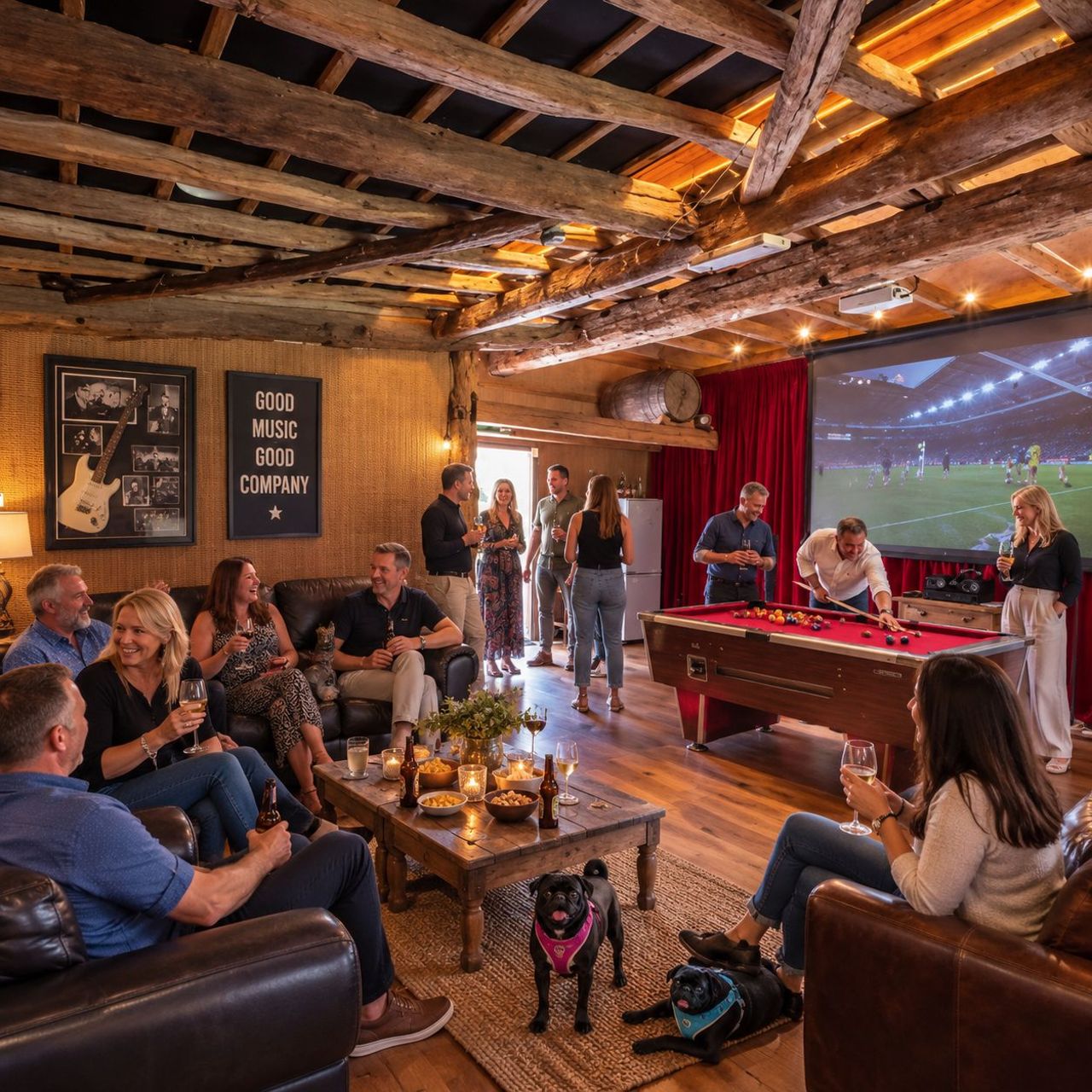
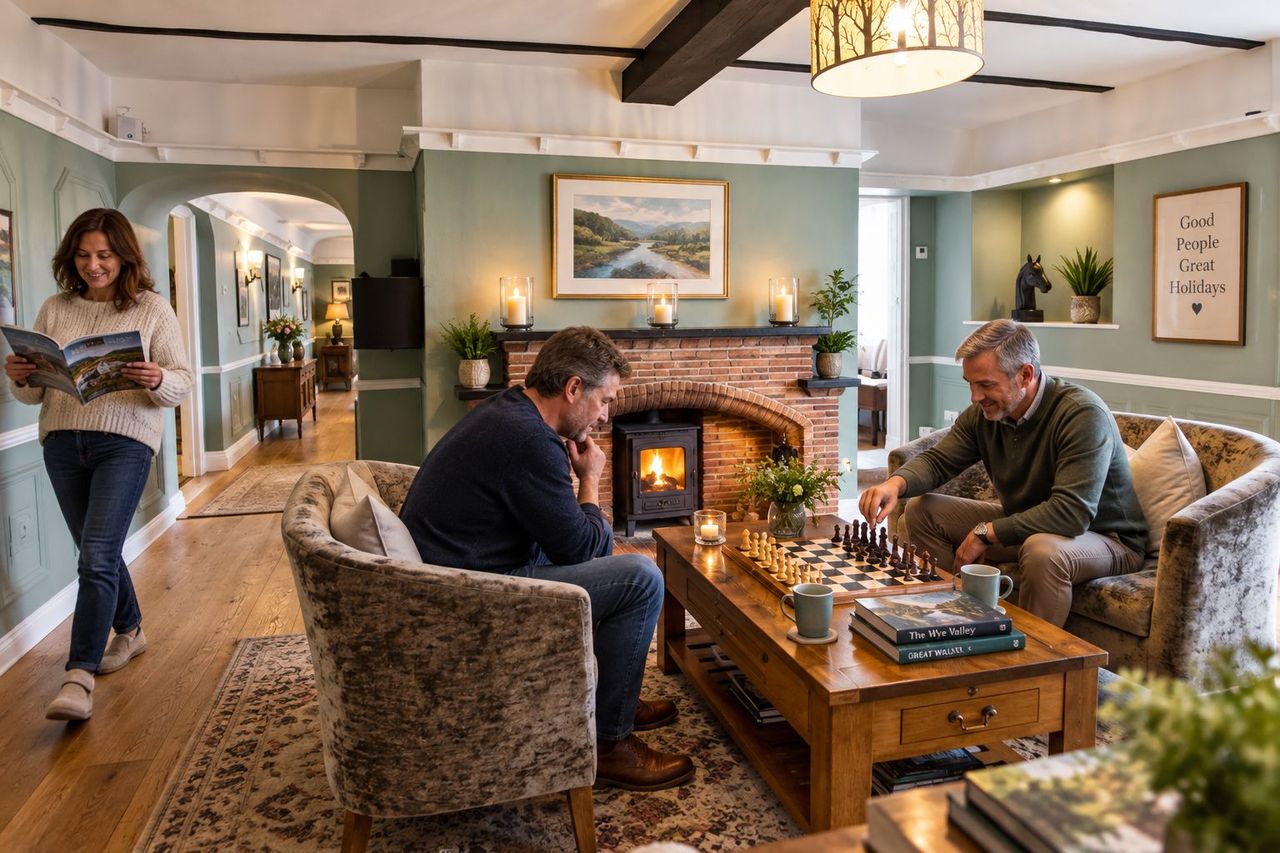
Have a ridiculously long lunch. Get out the games. Sit in the garden. Light the fire. Read a book. Have a nap. Open a bottle of wine earlier than would normally be considered respectable.
Or change your minds and go somewhere.
The point is that you can.
Don't underestimate the power of the kitchen
Restaurants are wonderful, and having someone else cook is one of life's great pleasures.
But every meal doesn't need a reservation.
One of the reasons big group holidays work so well is that eating together can become part of the fun.
You can cook.
You can divide into teams.
You can arrange catering.
You can order something in.
You can put enormous amounts of food on a table and let everybody help themselves.
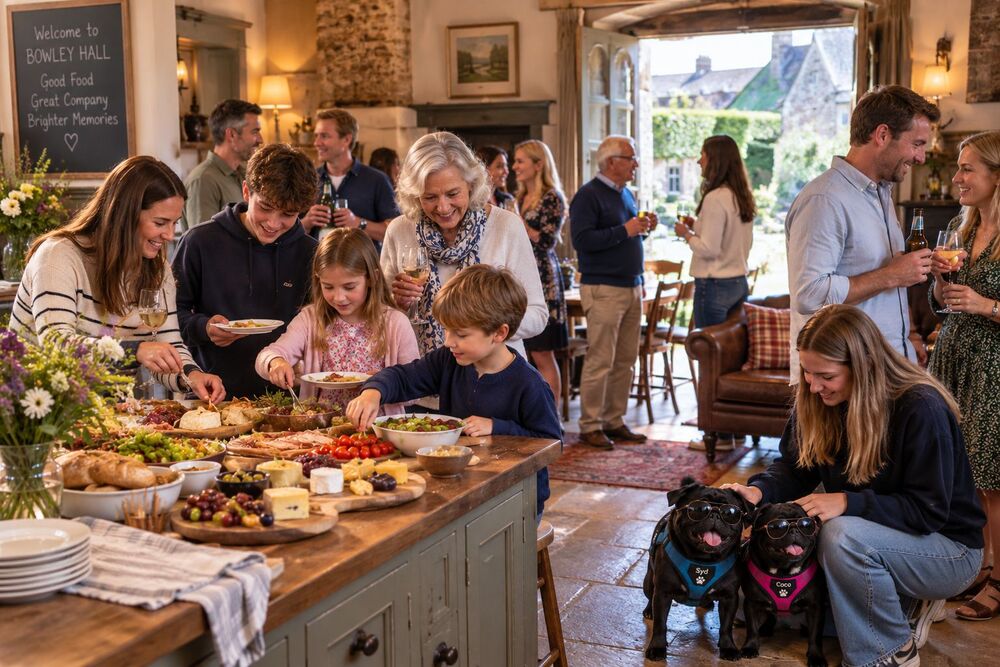
And breakfast the following morning may consist largely of people standing around the kitchen discussing what happened the night before.
That's a perfectly legitimate meal.
Give people permission to opt out
This could be the secret to a genuinely happy group holiday.
Nobody has to do everything.
If twelve people want to visit somewhere and four would rather stay behind with coffee and a book, nobody has failed at group bonding.
If somebody wants an afternoon alone, let them have it.
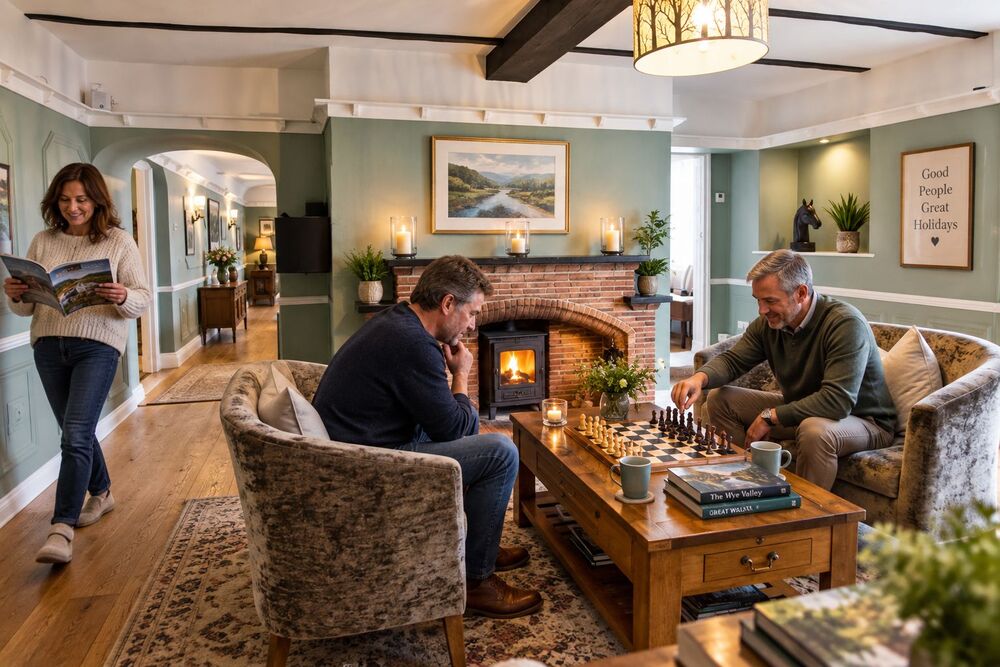
Big houses make this easier because there's room to spread out. You can have a lively kitchen at one end of the house and somebody reading peacefully at the other.
Time apart can make the time together even better.
Keep one evening entirely for the house
No taxis.
No restaurant reservation.
No designated driver.
Just everybody home.
Cook something delicious, order something in or arrange catering. Put some music on. Open the wine. Get the cards out.
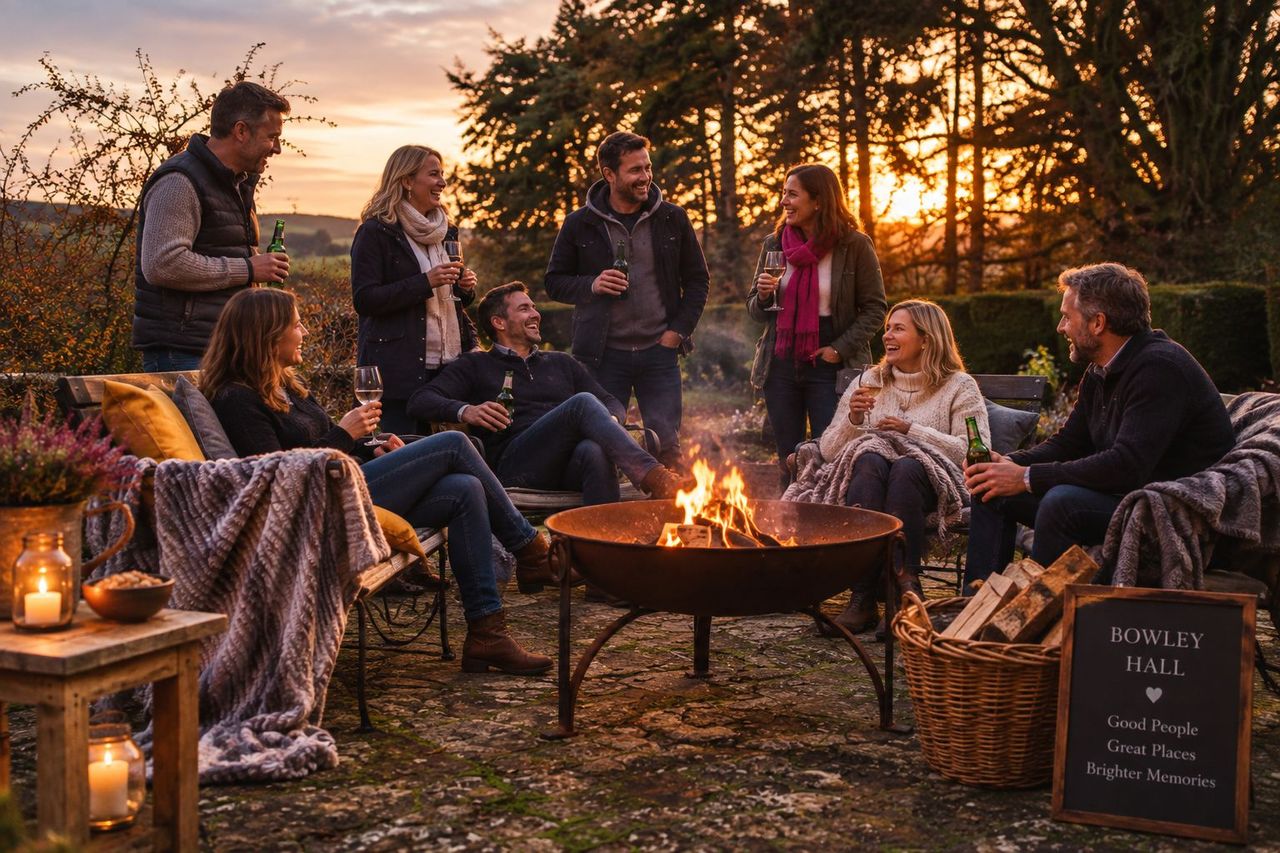
If there's a firepit, gather around it.
If there's a big dining table, use it long after dinner has finished.
These are often the evenings that begin with absolutely no plan and somehow become the story everybody is still mentioning years later.
Organise the practical things — not the fun
There are things worth sorting in advance.
Bedrooms. Food basics. Any activity the group really wants to do. Accessibility requirements. Who is driving. What time people can arrive.
Do those.
Then stop.
You don't need to manufacture every memorable moment before you've even packed.
Because the best bit probably won't be on your itinerary
When everybody goes home, you may remember the castle you visited or the afternoon on the river.
But you might remember something much smaller.
Ten people squeezed around the kitchen island.
The story somebody told at midnight.
Grandad becoming unexpectedly competitive over a board game.
The afternoon everybody abandoned the planned walk because it started raining and stayed home instead.
That's the joy of getting a large group under one roof.
Bring the people.
Choose a beautiful place.
Plan a few things worth doing.
Then leave enough room for the holiday to happen.